In 2026, EV charging in Ghana is easier and more practical than many people think. With home charging, growing public stations, and better planning, owning an EV now fits everyday life and business use.
One of the biggest questions people ask before buying an electric vehicle in Ghana is simple: how will I charge it?
This guide explains where to charge, how much it costs, and how to set up EV charging at home, using real examples that apply to Ghana.
How Do You Charge an Electric Vehicle?
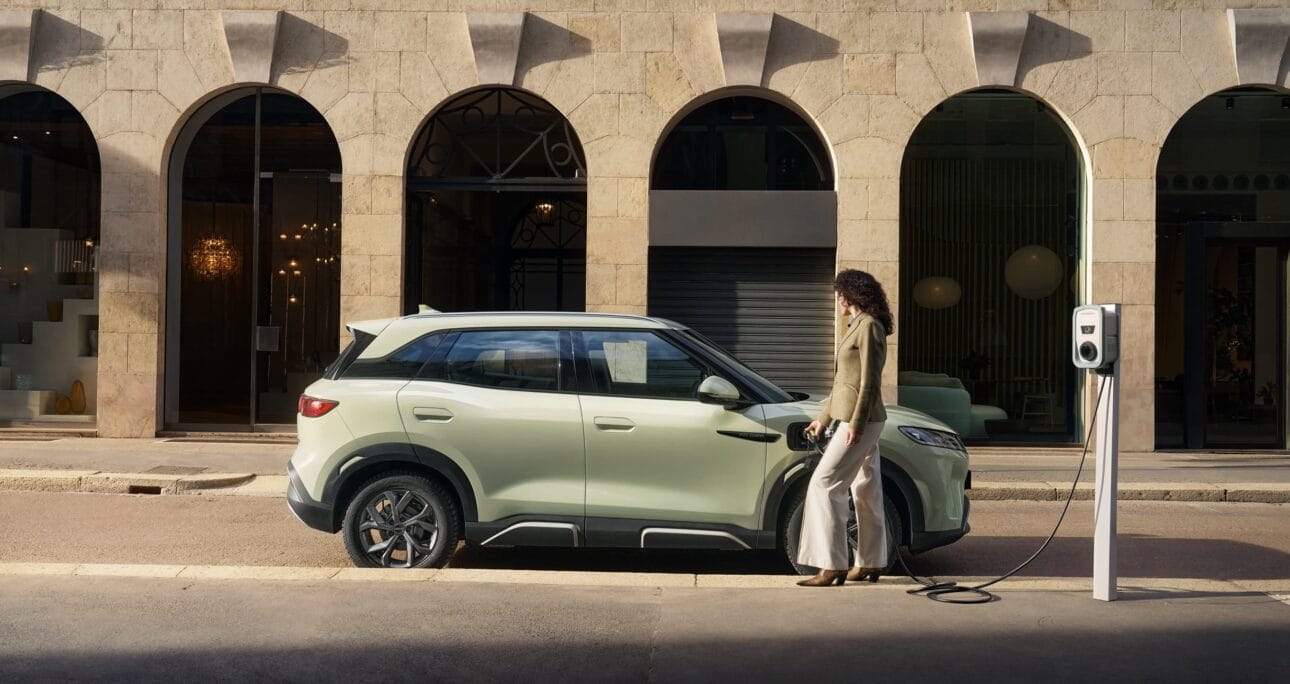
Charging an EV is straightforward. You connect the car to a power source and allow the battery to charge, similar to charging a mobile phone.
Most EV owners in Ghana use a combination of:
- Home charging for daily use
- Public charging stations for longer trips
- Workplace or depot charging for businesses
Home charging remains the most common and convenient option.
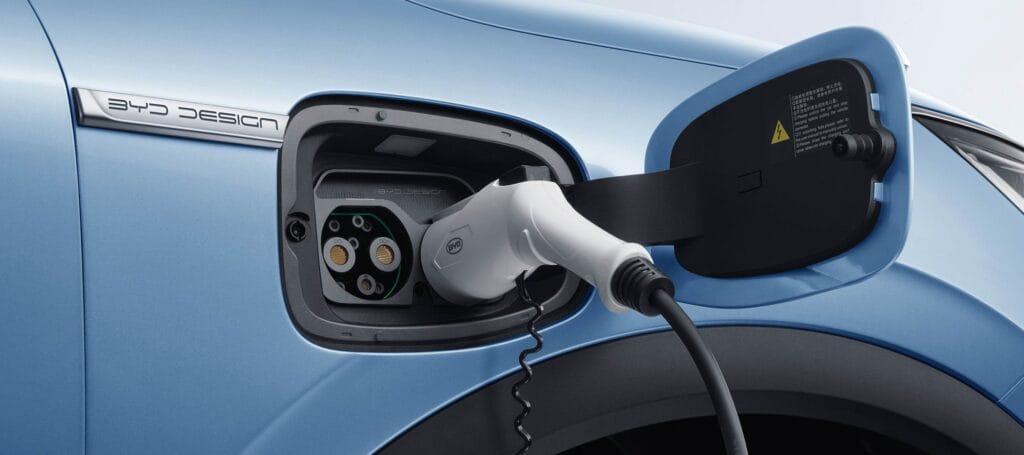
Home EV Charging in Ghana
Can You Charge an EV at Home?
Yes. Almost all electric vehicles sold by AAANew EV can be charged at home using Ghana’s standard electricity supply.
You can charge using:
- A regular wall socket (slow but convenient)
- A dedicated wall charger (faster and recommended)
Many EV owners simply plug in at night and unplug in the morning.
How Long Does Home Charging Take?
Charging time depends on the charger and the vehicle battery size:
- Standard socket: 8–12 hours
- Wall charger: 4–6 hours
Overnight charging is usually enough for daily driving.
Is Home Charging Safe?
Yes. EVs and chargers are built with safety systems that protect against overheating, electrical faults, and short circuits when properly installed.
Public EV Charging Stations in Ghana (2026)
Public EV charging is expanding across major cities in Ghana. In 2026, chargers can be found in:
- Accra
- Tema
- Kumasi
- Takoradi
- Cape Coast
They are commonly located at malls, hotels, office complexes, and selected fuel stations.
Public chargers are useful for:
- Long-distance travel
- Emergency charging
- Drivers without home charging
How Much Does EV Charging Cost in Ghana?
Cost of Charging at Home
Home charging is the most affordable option. On average:
- Charging an EV costs much less than buying petrol
- Many drivers save 40–60% on energy costs
Exact costs depend on electricity tariffs and driving habits.
Cost of Public Charging
Public charging costs more than home charging but is still cheaper than petrol for the same distance. Prices vary depending on:
- Charger speed
- Location
- Charging network
Fast Charging vs Normal Charging
Normal (AC) Charging
Normal charging is best for home and overnight use because it:
- Is cheaper
- Is gentler on the battery
- Covers daily driving needs
Fast (DC) Charging
Fast charging is useful when time is limited. It:
- Charges up to 80% in about 30–60 minutes
- Is ideal for highways and commercial use
- Costs more than normal charging
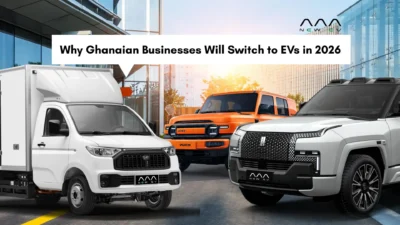
Commercial vehicles like the BAW Reach Van V70 and BAW Reach T30 trucks benefit most from fast charging.
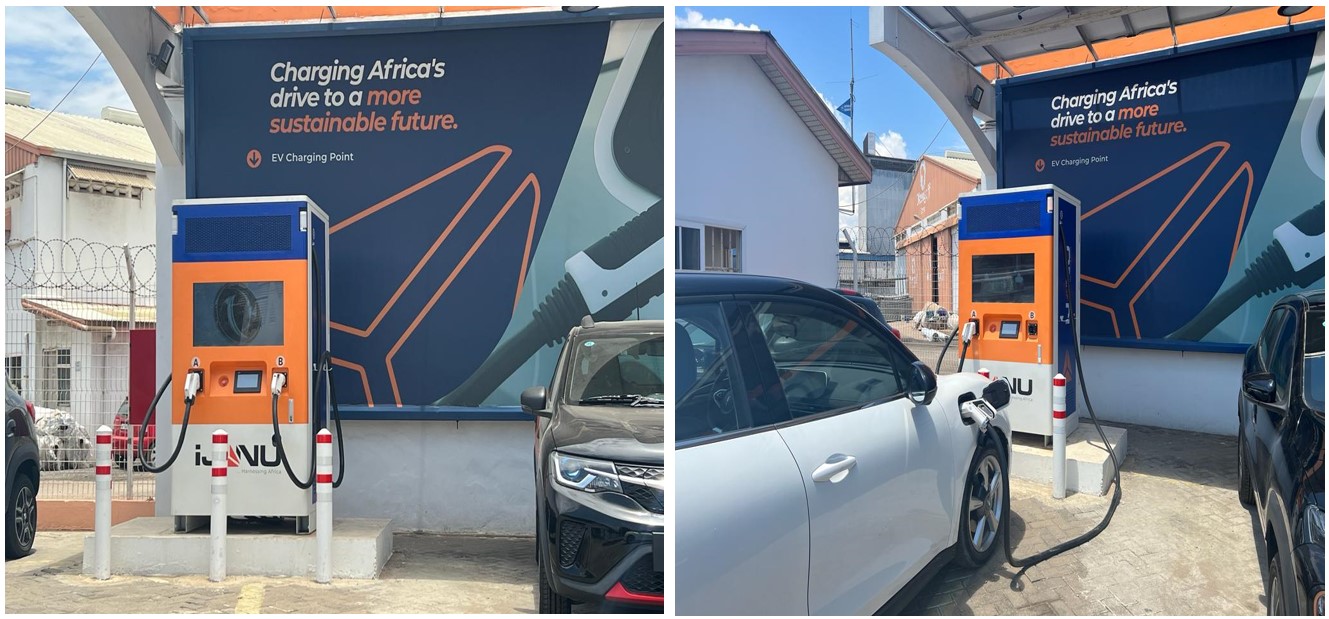
EV Charging for Businesses and Fleets
Businesses in Ghana are adopting EVs because charging is predictable and controllable.
Key benefits include:
- Lower operating costs
- No fuel shortages
- Overnight depot charging
- Easier budgeting
AAANew EV supports businesses with EV selection, charging guidance, and fleet planning.
Popular commercial EVs include:
- BAW Reach Van V70
- BAW Reach Mini Truck
- BAW Reach T30 (Cargo & Fridge)
Can You Charge an EV in the Rain?
Yes. EV chargers and charging ports are sealed and weather-protected.
Charging in the rain is safe as long as:
- The charger is certified
- Cables are not damaged
- The area is not flooded
This is similar to using fuel pumps during rain.
Do EV Chargers Work With All EVs?
Most EVs in Ghana use standard connectors:
- Type 2 for normal charging
- DC fast-charging connectors for rapid charging
Models such as the BYD Yuan Plus, BYD Seagull, CHERY iCAR 03, and BAW EVs are compatible with common chargers used in Ghana.
Charging Plug‑In Hybrid Vehicles
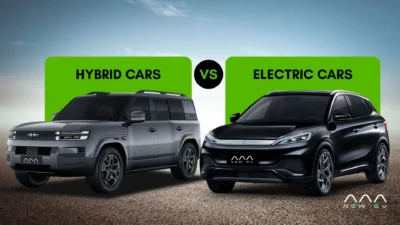
Plug-in hybrid vehicles can also be charged using home or public chargers.
Hybrid models available at AAANew EV include:
- BYD Yangwang U8
- BYD Leopard 5
- BYD Leopard 8
- BYD Titanium 7
These vehicles can:
- Drive on electricity for short trips
- Switch to fuel for long journeys
This offers flexibility for drivers who want both options.
Will Power Outages Affect EV Charging?
Occasional power outages can affect charging, but most EV owners adapt easily.
Common solutions include:
- Charging at night
- Using scheduled charging
- Installing backup power for business depots
Is EV Charging in Ghana Practical in 2026?
Yes. EV charging in Ghana continues to improve each year.
It works best if you:
- Charge mainly at home
- Plan long trips ahead
- Choose the right EV for your usage
AAANew EV helps customers make informed choices.
Need Help Setting Up EV Charging?
AAANew EV supports you from vehicle selection to charging guidance for homes and businesses.
Contact us today, and let us help you charge smarter in 2026.
Your EV journey starts with one quick conversation.