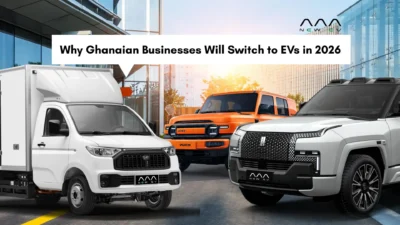
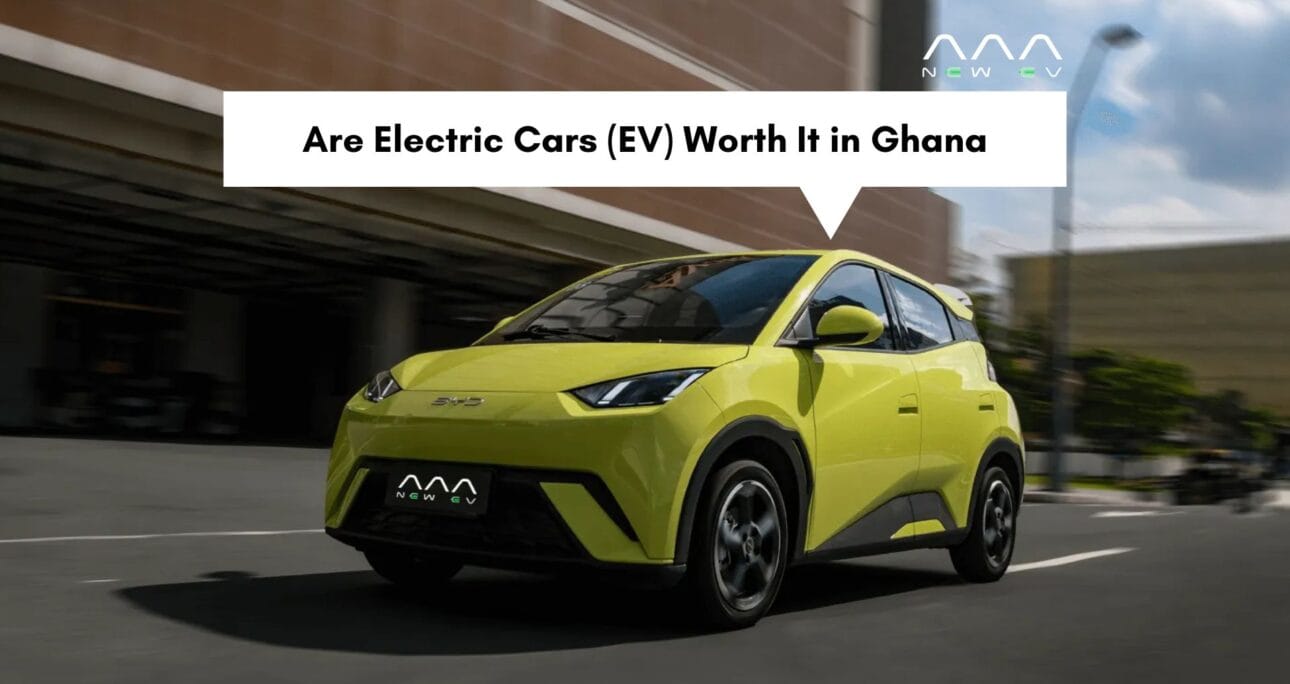
Electric Cars (EVs) are becoming far more visible in Ghana — from Accra to Kumasi and Tema. With rising fuel costs, better charging options, and newer EV models arriving locally, many drivers and businesses ask:
Are electric cars (EVs) worth it in Ghana in 2026?
Short answer: For most urban drivers and almost all businesses (especially fleets), yes. Below is a clear, Ghana-focused breakdown of costs, charging, battery life, model recommendations from AAANew EV, and when an EV may not be the right choice.
Why this matters for Ghana in 2026
- Fuel prices remain elevated, increasing operating costs for petrol vehicles.
- LFP battery technology and manufacturer warranties have improved battery confidence.
- Home-and-work charging adoption is growing among Ghanaian households and companies.
- AAANew EV now stocks models across passenger, SUV, and commercial categories — making local purchase and support easier.
EV vs Petrol: Real Cost Comparison (Ghana 2026)

Example: 1,200 km per month
Petrol car (1.5L)
- Fuel use: ~7–8 L / 100 km → ~96 L/month
- Fuel price (2026 avg): GHS 15–18/L
- Monthly fuel cost: GHS 1,440–1,728
Electric car
- Energy use: ~12–16 kWh / 100 km
- Electricity (home/night): GHS 2.3–2.8/kWh
- Monthly electricity cost: GHS 330–540
Monthly savings: GHS 900–1,200
Annual savings: GHS 10,800–14,400
Maintenance: Fewer parts, lower bills
Why EV maintenance is cheaper
- No engine oil changes, spark plugs, or complex transmissions.
- Fewer moving parts → fewer failures.
- Regenerative braking reduces brake wear.
Typical yearly maintenance
- Petrol car: GHS 3,000–7,000
- EV: GHS 800–2,000
That’s a 50–70% reduction in routine upkeep — a major reason fleets adopt EVs.
Battery reliability & lifecycle in Ghana’s climate
Modern battery facts (2026)
- Most AAANew EV models use LFP (LiFePO4) chemistry — robust in heat, longer cycle life.
- Typical lifespan: 8–15 years depending on usage and charging habits.
- Expected degradation: ~10–20% usable range loss after many years — still functional for daily use.
Serviceability & recycling
- AAANew EV provides battery diagnostics and replacement support.
- Battery recycling and second-life markets are emerging in Africa; modular replacements are increasingly available.
Charging in Ghana — practical realities (2026)
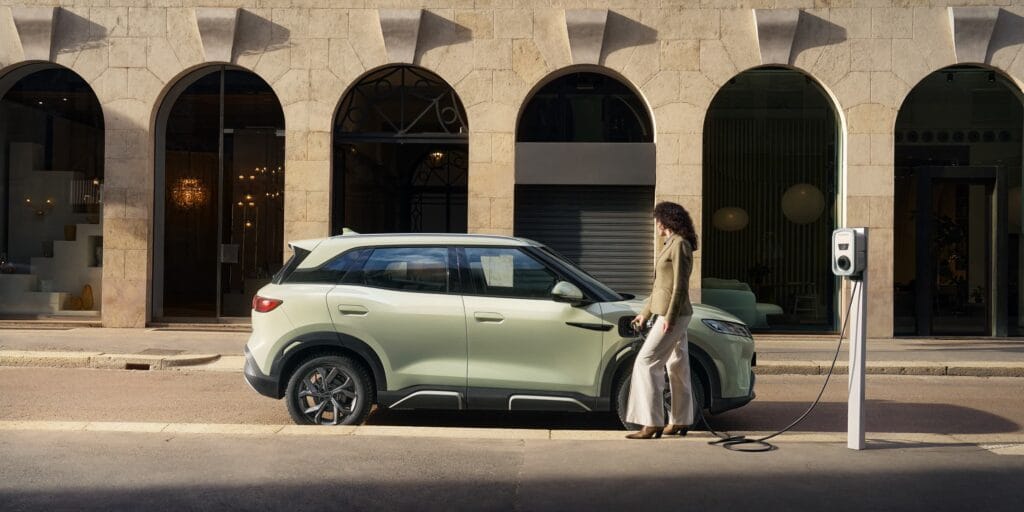
Charging options
- Home charging: Most owners charge overnight at home (cheapest).
- Office/fleet charging: Businesses install level-2 chargers at depots.
- Public fast charging: Growing network in Accra, Tema, Kumasi and major corridors.
- Mall & hotel charging: Increasingly common in urban centers.
Safety & weather
- Chargers and EV inlets are designed to be weatherproof — charging in rain is safe.
- Most modern EVs have sealed battery packs; moderate water crossings are feasible (follow manufacturer guidance).
Cost example
- Night-home charging cost per month (1,200 km): GHS 330–540 — substantially less than petrol.
Which AAANew EV models make the most sense in Ghana (2026)
Below are model recommendations from your inventory, matched to common Ghana use-cases.
Best budget city EVs
- BAW Bagel MINI EV — compact, ultra-low running cost, ideal for city commuting and short routes.
- BAW Pony (3-door) — affordable entry EV for daily work commutes.
Best value & everyday use
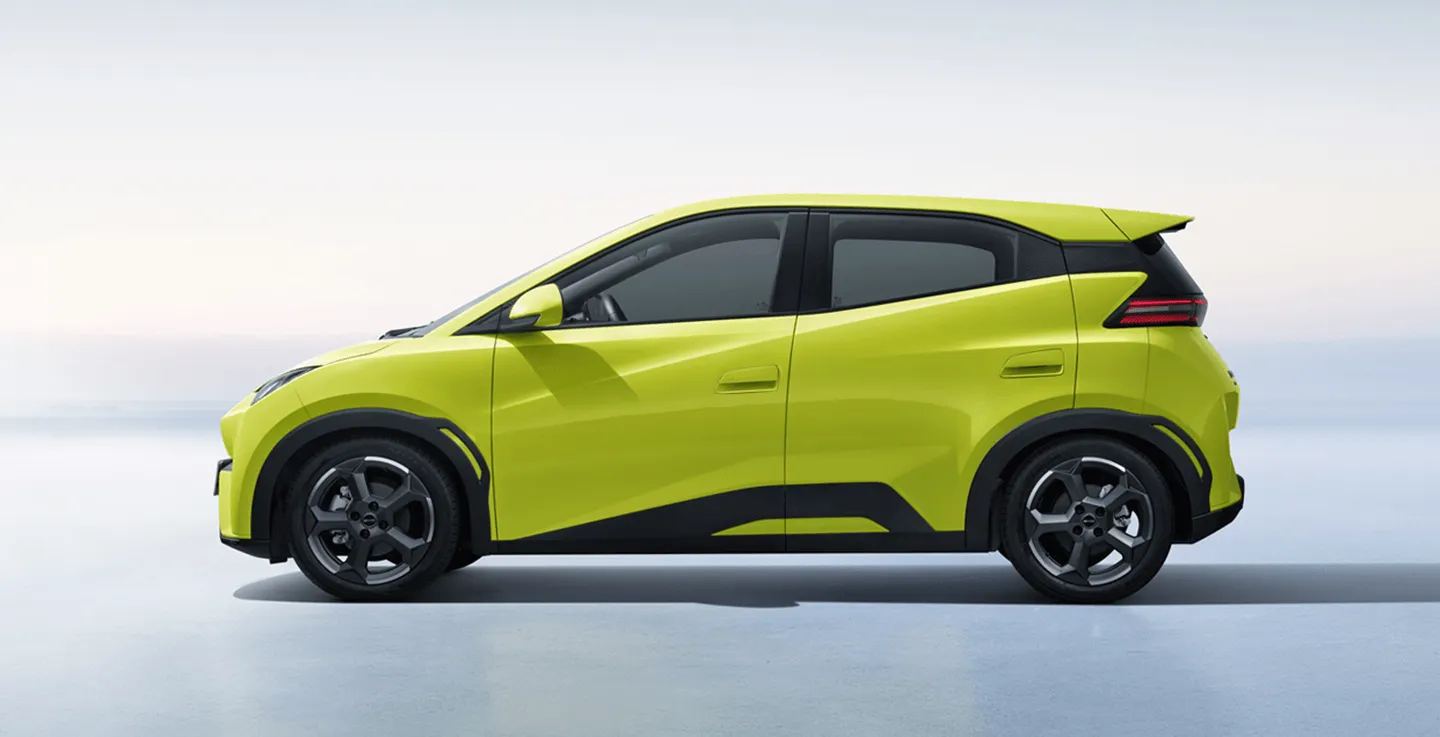
- BYD Seagull (2026) — excellent range (city & peri-urban), efficient battery, and a strong price-to-range ratio. Good for students, families, and ride-hailing drivers.
Best family & executive EVs
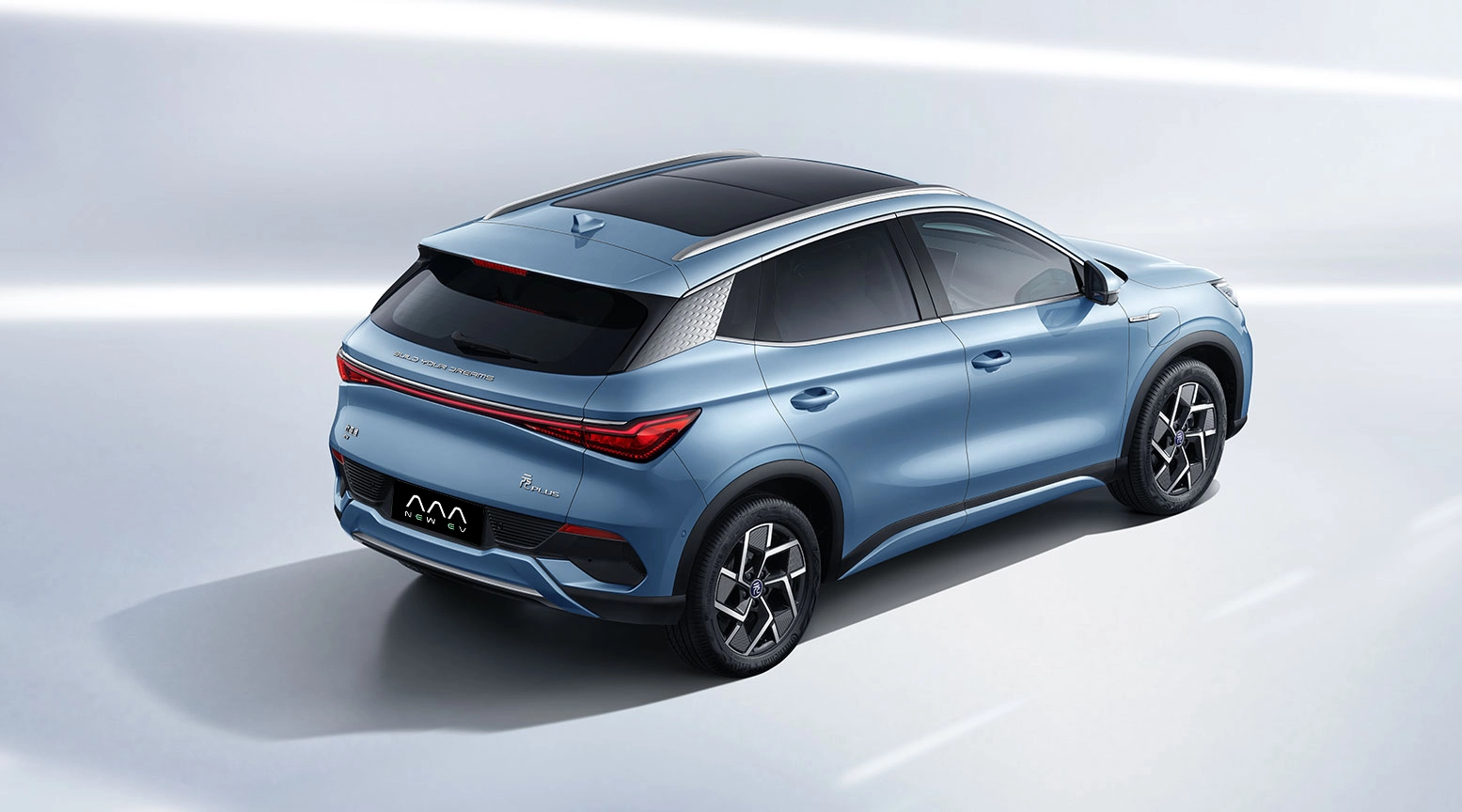
- BYD Yuan Plus — SUV comfort and longer range, suitable for families and executives needing more space and range.
Best business / fleet models (high ROI)
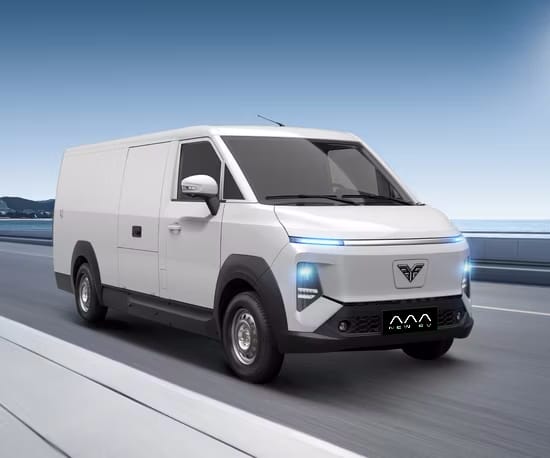
- BAW REACH V70 (Van) — ideal for urban delivery, courier services, and last-mile logistics.
- BAW REACH T30 series (Box / Fridge / 2-ton Truck) — excellent for cold-chain, retail distribution, and heavier SME logistics.



Are EVs worth it for businesses & fleets?
Yes — often within 12–24 months ROI, especially for city-based operations.
Key benefits for fleets
- Lower energy costs vs diesel/petrol.
- Reduced maintenance and downtime.
- Predictable operational expenses.
- Ability to charge on-site (off-peak rates).
- Cleaner branding (zero-emission deliveries).
AAANew EV can provide fleet audits, TCO calculations, and depot charging plans for logistics firms, FMCGs, ride-hailing fleets, and municipal fleets.
When an EV might not be the right choice
EVs may be less suitable if:
- You regularly drive 300+ km per day without reliable opportunity to recharge overnight.
- You operate in very remote rural areas with unstable grid power.
- Your use-case is heavy off-road (construction sites, mines) where specialized vehicles are required.
For most urban / peri-urban Ghanaian drivers and business fleets, EVs are now a compelling choice.
Final verdict — Are electric cars worth it in Ghana in 2026?
Yes. For the majority of urban drivers and especially for businesses/fleets, EVs offer clear financial and operational advantages: major fuel savings, lower maintenance, stronger reliability from modern batteries, and growing charging infrastructure.
AAANew EV stocks models across the spectrum — from entry-level city cars (BAW Bagel, BAW Pony) to BYD family SUVs and BAW commercial vans/trucks — making it easier for Ghanaian buyers to choose locally supported EVs with warranty and after-sales care.
Talk to AAANew EV Today
If you’re thinking about switching to an EV — for personal use or your business — our team can help you choose the right model, understand charging options, and calculate real savings for 2026.
Your EV journey starts with one quick conversation.